lifestyle
Locals Reveal Manchester's 5 Best Neighbourhoods Beyond City Centre
Beyond the city centre, Manchester’s character shifts from industrial grit to independent hubs; here is how to navigate the city’s evolving urban landscape.
How we reported this
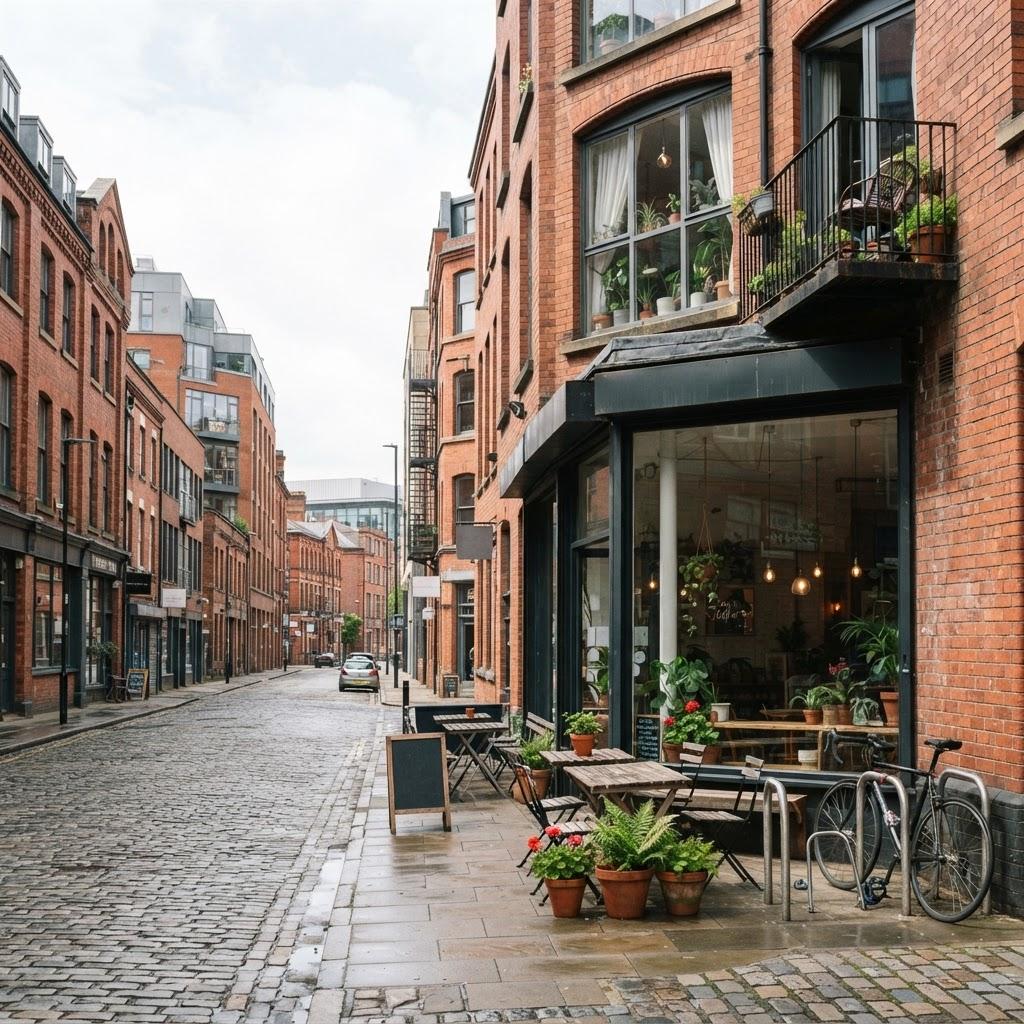
Manchester’s reputation as a powerhouse of industrial heritage is being rewritten by a wave of independent growth in its surrounding districts. While visitors often gravitate toward the central retail zones, those who call the city home increasingly spend their downtime in pockets like Ancoats and Chorlton, where the pace is slower and the character is distinctly neighborhood-focused.
The evolution of Ancoats and the suburban shift
Ancoats, once the heart of the city’s textile industry, has successfully rebranded itself as a destination for artisan food and independent retail. Walking past the red-brick mills on Blossom Street, the shift in atmosphere is stark compared to the bustle of the Arndale Centre. Locals frequent spots like the Jane Eyre for drinks, or wander toward the Cutting Room Square to observe how former industrial sites have been repurposed into residential and social hubs. This transition remains a primary example of how the city is balancing heritage preservation with modern demand for high-density living.
Further south, the suburb of Chorlton-cum-Hardy offers a different experience. Residents often suggest starting a weekend morning at the Beech Road shopping area. Unlike the high-street chains dominating the city centre, the streets here are lined with local bookshops, independent delis, and cafes. Long-term inhabitants point to the proximity of Chorlton Water Park as the primary draw, noting that the area bridges the gap between urban accessibility and green space, a balance that remains difficult to strike in more densely packed areas.
Navigating the city’s diverse housing and commercial landscape
The cost of living and accessibility continue to define how these areas evolve. According to recent data from the Office for National Statistics regarding regional rent and property trends as of early 2026, the variation between prime city-centre apartments and established suburban terrace houses remains a significant factor for those relocating to the city. While prices in central hubs have risen steadily, the value proposition of areas like Levenshulme or Prestwich continues to draw young professionals who are increasingly prioritising proximity to independent markets and community-led events over central convenience.
For those looking to explore beyond the tourist guides, practical advice from those living in these districts is consistent: skip the primary transport corridors during rush hour and instead use the Metrolink to access the fringes of the city. Whether browsing the monthly markets held at the Levenshulme Antiques Village or visiting the historic cinemas in the suburbs, the best way to understand Manchester is to engage with the specific micro-cultures that flourish on the periphery of the city centre. When planning a visit, check the local council’s cultural calendar, as most of the city’s most authentic community events are staged within these neighborhood hubs rather than the main commercial plazas.