culture
People's History Museum: the national museum of democracy and working life
Housed in a former hydraulic pumping station, the museum tells 200 years of the story of workers' rights, the vote and everyday life in Britain.
Listen in English · 3 min
How we reported this
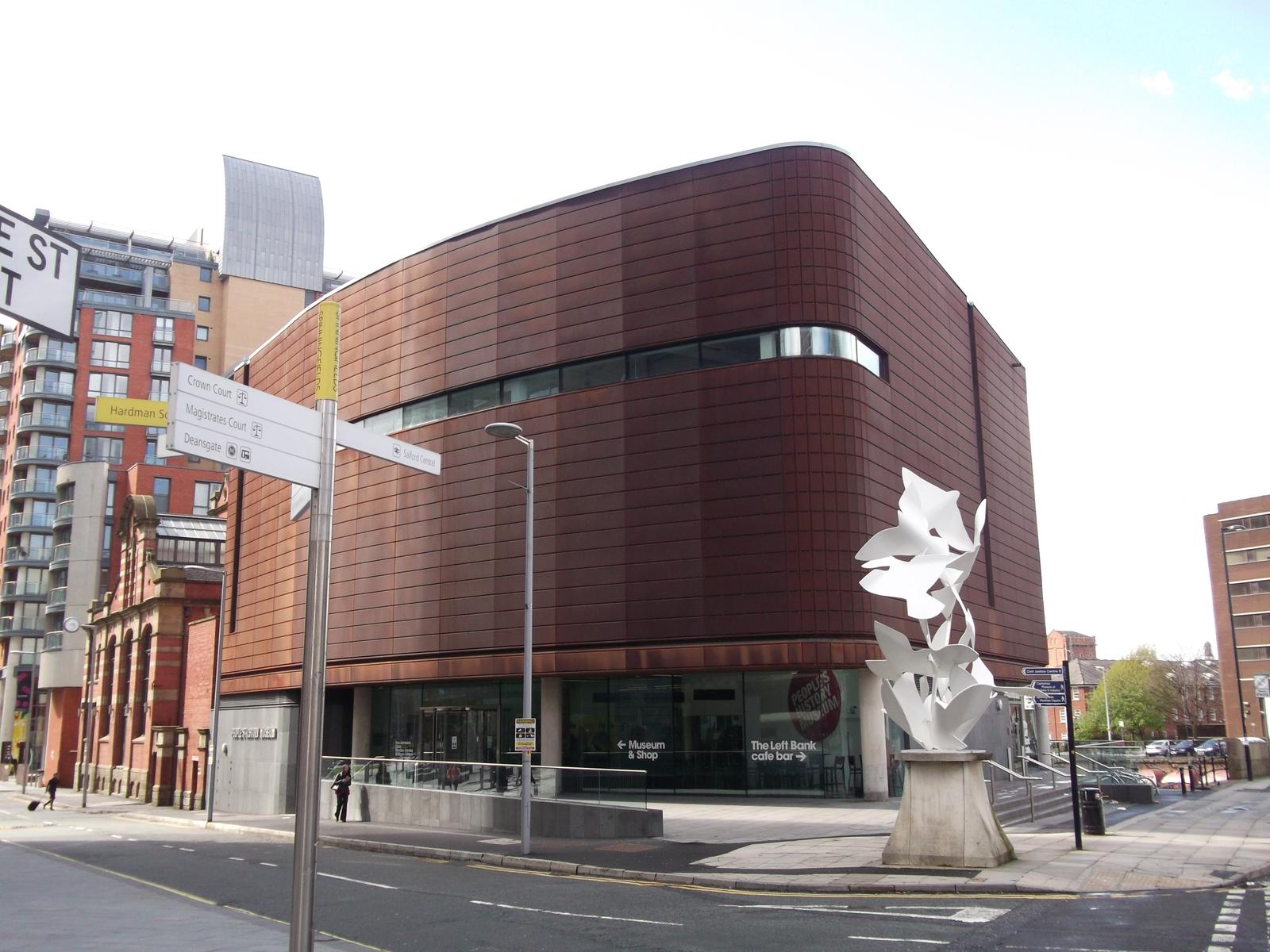
The People's History Museum, known until 2001 as the National Museum of Labour History, is the United Kingdom's national centre for collecting, conserving and interpreting material about the history of working people. It is a distinctive part of Manchester's cultural landscape, telling the story of ordinary lives and the long campaigns for rights and democracy.
The museum occupies a Grade II listed former hydraulic pumping station on the corner of Bridge Street and Water Street, designed by the Manchester Corporation city architect Henry Price. The industrial building is a fitting home for a museum devoted to work, protest and everyday life.
The story it tells
Across its galleries the museum charts more than 200 years of change in how people in Britain lived at home, at work and at leisure. The collection covers popular radicalism, the Peterloo Massacre of 1819, which took place in Manchester, 19th-century trade unionism, the women's suffrage movement, dockers, the cooperative movement, the 1945 general election and even the social history of football.
Alongside printed material and photographs of people at work and rest, the museum is known for its collection of political banners, one of the most important of its kind. Displays on friendly societies, the welfare movement and the gradual advances in working people's lives round out a picture of how modern democratic Britain was shaped from the bottom up.
The museum is home to a specialist textile conservation studio dedicated to caring for these historic banners, and visitors can often see conservation work in progress, an unusual chance to watch heritage being preserved rather than simply displayed. Its riverside position beside Spinningfields also places it within a short walk of the Manchester Opera House and the John Rylands Library, making it easy to combine with other city-centre stops.
Visiting
The museum stands beside the River Irwell, within easy walking distance of Spinningfields and the city centre. Admission to the main galleries is free, with donations encouraged and some special exhibitions ticketed. Because opening days and events change through the year, it is worth checking the official website before you travel, and the free galleries make it an easy addition to a wider day out in the city.