Politics
Manchester Residents Vote on Council Control in 2026 Elections
With ward contests across the city determining control of key services, Manchester residents face concrete consequences depending on which candidates take seats this cycle.
How we reported this
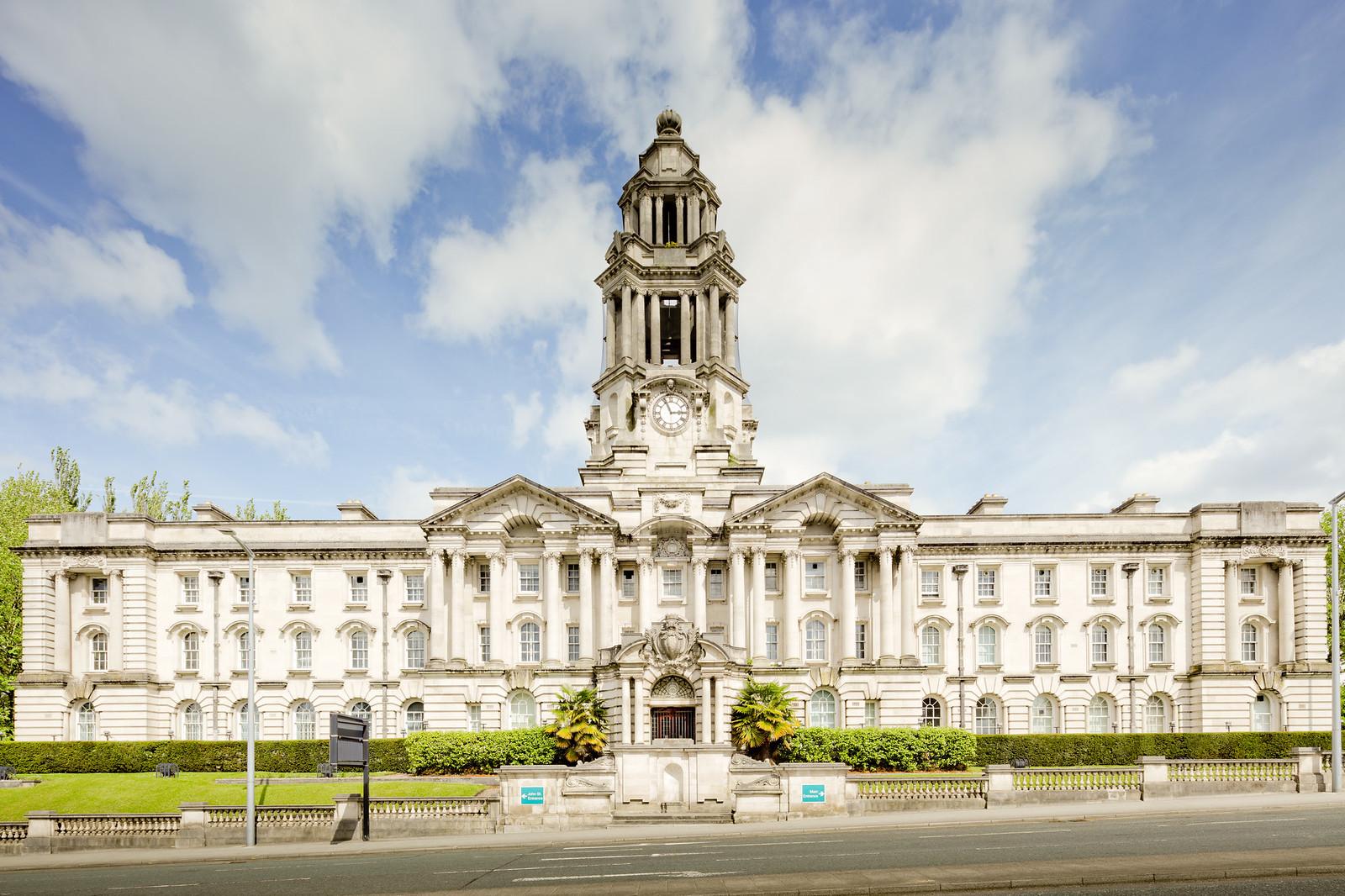
Voters across Manchester's 32 wards are deciding more than political colour this election cycle. The candidates who win seats on Manchester City Council hold direct authority over housing planning permissions, social care budgets, bin collections, and local transport spending. Those who lose hand that authority to their opponents. For residents in areas where outcomes are tight, the difference can be measured in planning decisions, library hours, and how quickly potholes get fixed.
The timing matters. Manchester City Council, like every English metropolitan authority, operates under a rolling election model in which roughly one third of seats are contested each year outside general election years. That structure means a shift of even a handful of seats can tip the balance on key policy committees, particularly the Planning and Highways Committee and the Children and Young People Scrutiny Committee, both of which have sign-off on some of the most consequential spending decisions the council makes. National pressures, including ongoing constraints from central government on local authority funding settlements, have made those committee chairs more powerful, not less, as councils absorb more service delivery responsibility with tighter grants.
What Each Seat Controls
Councillors are not ceremonial. In Manchester, the council directly commissions adult social care services, sets the local element of the council tax precept, and controls planning policy through the Manchester Local Plan. A candidate who wins Ardwick ward, for example, joins a council that is currently managing a major regeneration corridor along the A6, where planning decisions will shape whether new housing skews toward affordable homes or market-rate development. Residents in Hulme and Moss Side wards are watching candidates' positions on licensing and enforcement, given ongoing community discussions about late-night economy impacts on those neighbourhoods. In Didsbury East and Didsbury West, transport planning and green infrastructure commitments are the dominant local issue given proximity to the Metrolink corridor and flood-risk zones along the Mersey.
For residents who did not vote, or whose preferred candidate lost, the practical consequences are real but not immediate. Council decisions take effect through the budget cycle, which in Manchester runs from April each year. A new cohort of councillors elected in May 2026 will sit on committees that scrutinise and approve the 2027-28 budget, expected to be set in February 2027. Pledges made during the campaign, whether on housing targets, waste collection frequency, or youth service funding, live or die at that budget stage.
What Residents Should Watch Next
Beyond the headline ward results, residents should track which candidates secure committee chairs in the annual council annual meeting, typically held in May or June after elections. Committee chairs set the agenda for scrutiny and can accelerate or delay planning applications and policy reviews. The chair of the Economy Scrutiny Committee, for instance, has a direct line into decisions affecting the Northern Gateway development, one of the largest urban regeneration projects currently in planning across North Manchester, covering land that could eventually deliver tens of thousands of new homes over the coming decade.
Local advocacy groups focused on housing affordability, including those working in areas around Ancoats and New Islington, have noted that council composition directly affects how aggressively the council negotiates affordable housing quotas with private developers on Section 106 agreements. Those agreements are not set by national law but by local policy, meaning the political will of the elected council is the primary variable. Similarly, the council's own budget scrutiny process, which is open to public participation, gives residents a formal mechanism to respond to whatever spending priorities the newly composed council sets.
The full results from this year's Manchester ward contests will be certified by the Returning Officer for Manchester and published on the council's official website once counts are completed. Residents seeking to contact their newly elected or returning councillors can do so through the Manchester City Council member contact directory, which is updated within days of results being declared. The first full council meeting of the new term is the formal moment when committee appointments, and therefore real decision-making power, are distributed among the elected members.