wellness
Screen Time Ruins Sleep More Than Blue Light, Research Reveals
Forget the folk wisdom about blue light, the science linking your phone to a bad night's sleep is more complicated, and more interesting, than you think.
How we reported this
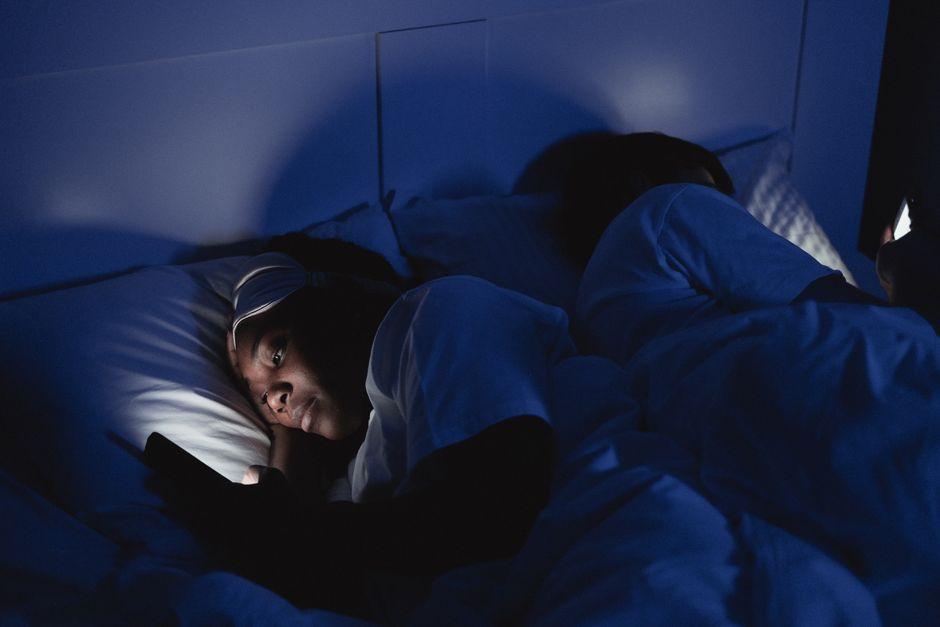
Adults in the UK are now spending an average of four hours and 37 minutes a day on their smartphones, according to Ofcom's 2025 Online Nation report. A significant chunk of that happens in bed, after the lights are off. Sleep researchers say that timing matters more than total screen hours, and the mechanisms at work are not quite what most people assume.
The conversation around hormone disruption and rest has picked up sharply this year. Melatonin, the hormone that signals the body to prepare for sleep, has been scrutinised heavily by clinicians and lifestyle commentators alike. That wider public interest makes this a good moment to examine what the controlled studies actually demonstrate, rather than what the wellness industry would prefer you to believe.
What the evidence really says about blue light
The blue-light-blocking glasses market is now worth over £180 million annually in the UK. The sales pitch is simple: screens emit blue-wavelength light, blue light suppresses melatonin, therefore glasses or screen filters will rescue your sleep. The reality is messier. A randomised controlled trial published in Sleep Medicine in 2023 found no statistically significant improvement in sleep onset latency among participants who wore blue-light-filtering lenses compared with a placebo group. The lenses blocked the light. Sleep did not noticeably improve.
What does appear to matter, consistently across multiple studies, is cognitive and emotional arousal. Scrolling through social media or reading agitating news content at 11pm activates the brain's alerting systems in ways that have little to do with photons. The prefrontal cortex stays busy. Heart rate stays elevated. A 2024 meta-analysis from the University of California, Berkeley, pooling data from 58 studies, found that interactive screen use, messaging, social media, gaming, delayed sleep onset by an average of 24 minutes, while passive screen use such as watching a film had roughly half that effect.
Manchester's own wellness sector has been wrestling with this nuance. The Sleep Well Manchester programme, run through Greater Manchester Health and Social Care Partnership and active across all ten boroughs, has updated its public guidance to de-emphasise device bans in favour of what practitioners call 'wind-down intentionality', essentially, managing what you do on a screen rather than demanding people put devices in another room. The programme reaches around 14,000 residents per year through GP referrals and self-referral links on the NHS Greater Manchester website.
Putting it into practice in the city
On the Northern Quarter's Tib Street, Frame Manchester has been running eight-week sleep hygiene workshops since January 2026, priced at £65 per person. The format draws on Cognitive Behavioural Therapy for Insomnia, known as CBT-I, the only intervention with a consistent evidence base strong enough to earn a NICE guideline recommendation. Screen habits form one module, but facilitators there emphasise that no single behaviour change produces dramatic results in isolation.
Didsbury-based GP practice Parkfield Medical Centre began incorporating brief sleep screening into routine appointments last autumn, following a push from NHS Greater Manchester's primary care strategy team. Clinicians there report that the most common presenting factor among patients with disrupted sleep is not screen time per se but work-related anxiety being processed on devices late at night, a distinction with real practical implications.
The honest summary from the research base: screens are not harmless at midnight, but they are also not uniquely villainous. What you look at, how it makes you feel, and how consistently you keep a sleep and wake schedule all outweigh the device itself as predictors of sleep quality. Keeping screens out of the bedroom removes one variable, but it does not fix a racing mind.
If you are sleeping poorly, the Sleep Well Manchester self-referral pathway is available at gmhsc.nhs.uk, and CBT-I resources are accessible without a GP referral through the NHS Talking Therapies service operating across Greater Manchester. Anyone with persistent, unexplained sleep disturbance should speak to their own GP before adjusting medication or supplements.