wellness
Manchester Neuroscientists Reveal Exactly What Mindfulness Does to Your Brain
Neuroscientists have moved well beyond the incense-and-cushions clichés, here's what decades of research show is genuinely happening inside your skull when you meditate.
How we reported this
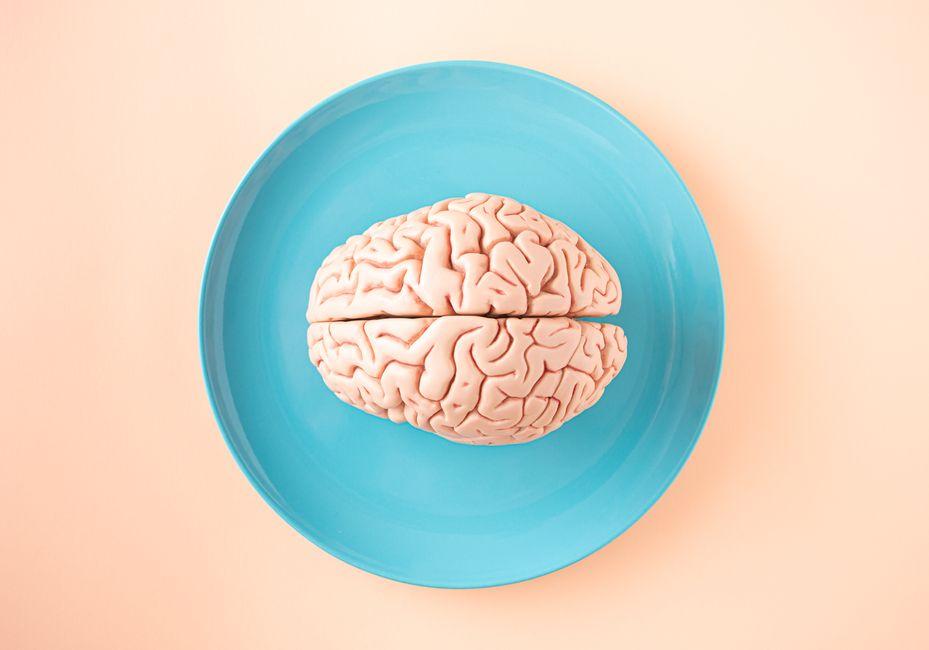
Eight weeks. That's how long it takes for a structured mindfulness programme to produce measurable changes in brain grey matter density, according to research published by Harvard Medical School researchers and replicated multiple times since. The finding, first documented in a 2011 study in Psychiatry Research: Neuroimaging, has held up under scrutiny, and it's reshaping how health practitioners in Manchester talk about meditation to their patients.
The timing matters. Household financial pressure, a tight rental market across Greater Manchester, and a post-pandemic hangover that mental health services are still working through have combined to push stress levels, and demand for affordable mental health tools, higher than they've been in years. The NHS Greater Manchester Integrated Care Board reported last autumn that referrals to talking therapies across the city-region rose 18 percent between 2023 and 2025. Mindfulness sits awkwardly in the middle of that crunch: neither a prescription drug nor a crisis intervention, but increasingly backed by hard neuroscience.
What's Actually Changing in There
The brain region that gets the most attention in mindfulness research is the amygdala, the almond-shaped cluster of neurons that processes fear and threat responses. Regular meditators show reduced amygdala reactivity, meaning the brain's alarm system becomes less trigger-happy. Simultaneously, the prefrontal cortex, responsible for decision-making and emotional regulation, shows increased activity and, over time, increased cortical thickness. Think of it as the brain physically building more capacity to pause before reacting.
The default mode network, the circuitry that fires when your mind wanders, replays arguments, or catastrophises about next month's rent, quietens with practice. Functional MRI studies from University College London and the Max Planck Institute for Human Cognitive and Brain Sciences have shown long-term meditators can disengage from this rumination loop more rapidly than non-meditators. That's not a metaphor. It shows up in the scans.
Cortisol, the primary stress hormone, also drops. A 2023 meta-analysis in Health Psychology Review pooled data from 45 randomised controlled trials and found mindfulness-based interventions reduced salivary cortisol levels by an average of 14.5 percent in participants practising for at least 20 minutes a day over eight weeks.
Where Manchester Is Putting This Into Practice
Manchester has a denser mindfulness infrastructure than many UK cities realise. The Mindfulness Network, which has delivered training to NHS clinicians across the North West since 2012, runs its practitioner courses partly out of venues in the Northern Quarter. The Christie NHS Foundation Trust on Wilmslow Road has embedded Mindfulness-Based Cognitive Therapy, the eight-week MBCT programme originally developed at Oxford University, into its oncology support services, citing consistent evidence it reduces recurrence of depression in patients with three or more previous episodes.
Community provision is expanding too. Thrive LDN's northern partnerships have supported drop-in sessions at the Manchester Buddhist Centre on Oxford Road, which offers secular mindfulness classes from £8 a session, low enough to sidestep the premium wellness price point that locks out many residents in Moss Side or Gorton. The centre logged over 1,200 individual attendances at its secular programmes in 2025.
Apps remain the other major access point. Headspace, Calm and the NHS-approved Insight Timer are all in widespread use across Greater Manchester, though researchers at the University of Manchester's Division of Psychology and Mental Health have flagged in ongoing work that app-only practice produces more modest neurological effects than in-person, teacher-led programmes, useful, but not equivalent.
For anyone curious about starting, the practical advice from clinicians is consistent: the dose matters more than the format. Twenty minutes daily outperforms 90 minutes once a week. Breath-focused attention is as effective as any more elaborate technique for beginners. And the local entry points, the Manchester Buddhist Centre, the MBCT referral pathway through your GP, or an NHS-approved app, are all legitimate places to begin. What the science is clear on is that beginning at all, and doing it consistently, is what produces change. The brain, it turns out, is more plastic than most of us were taught to believe.